Why Extra Virgin Tunisian Olive Oil is a Superfood
Discover the unique health benefits and rich flavor of Tunisian extra virgin olive oil.
Super Admin
May 03, 2026·12 min read·425 views
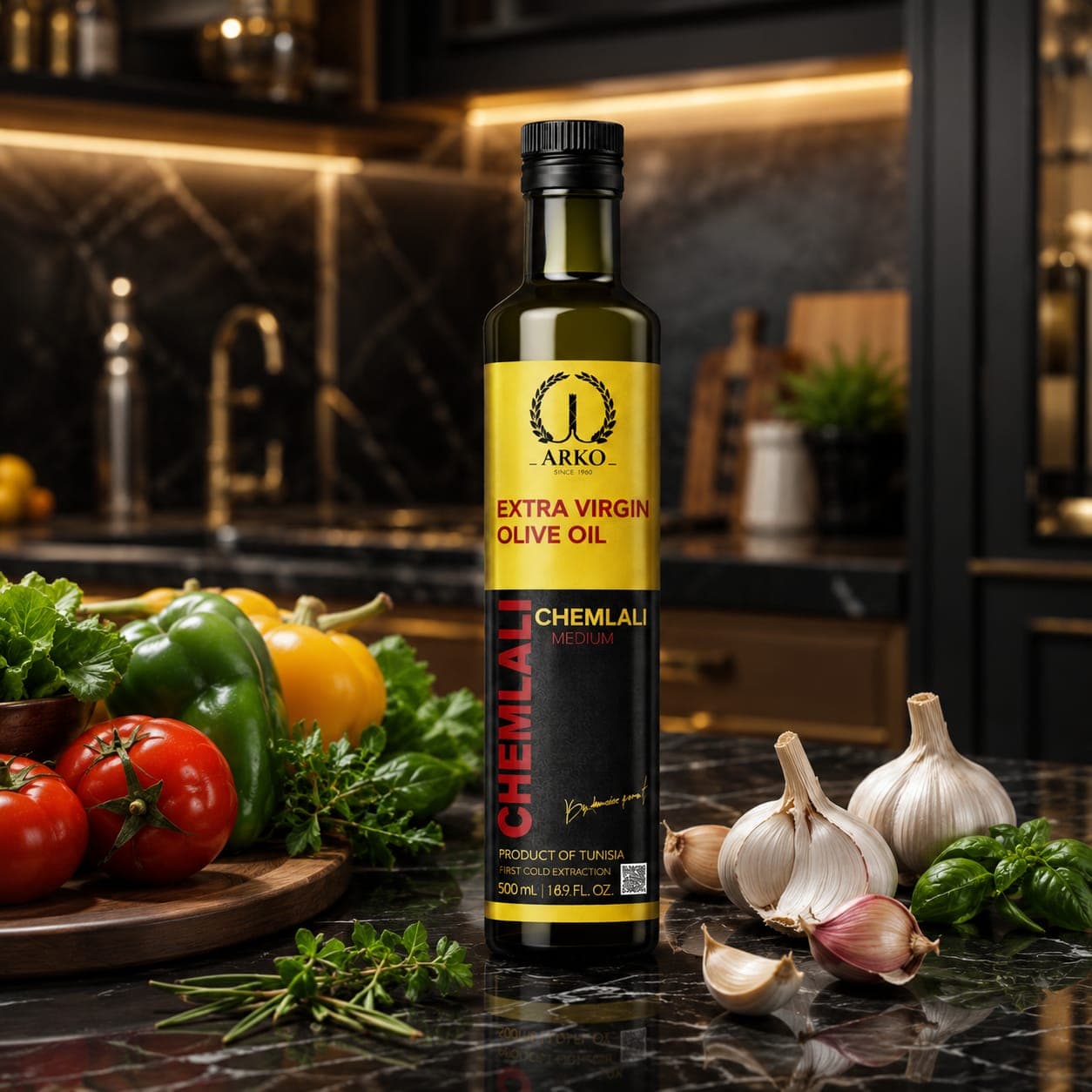
Tunisian Olive Oil: The Mediterranean's Best-Kept Secret — Benefits, Varieties & Why It Belongs in Your Kitchen
Introduction: Tunisia's Liquid Gold
Nestled along the sun-drenched shores of the Mediterranean, Tunisia is one of the world's oldest and most celebrated olive oil-producing nations. With over 100 million olive trees covering more than 1.7 million hectares of fertile land, Tunisia ranks among the top five olive oil exporters globally — yet its extraordinary extra virgin olive oil remains one of the Mediterranean's best-kept secrets.
For thousands of years, Tunisian farmers have harvested olives using traditional methods passed down through generations, carefully preserving the purity, flavor, and nutritional integrity of every drop. From the ancient groves of Sfax and the rolling hills of Zaghouan to the sun-baked plains of Kairouan, Tunisian olive oil carries the rich heritage of Berber, Phoenician, Roman, and Arab civilizations — each leaving their mark on a culture deeply rooted in olive cultivation.
Today, Tunisian extra virgin olive oil is gaining global recognition for its exceptional quality, bold flavor profile, low acidity, and remarkable health benefits. Whether you are a gourmet chef, a health-conscious consumer, or simply someone who appreciates authentic Mediterranean cuisine, Tunisian olive oil deserves a permanent place in your pantry.
The Rich History of Olive Oil in Tunisia
Tunisia's relationship with the olive tree dates back more than 3,000 years. The Phoenicians introduced olive cultivation to the region around 1000 BCE, and the Romans later expanded the industry dramatically — transforming Tunisia (then known as Africa Proconsularis) into the breadbasket and oil cellar of the Roman Empire.
Ancient Roman ruins across Tunisia, including the iconic olive presses at Dougga and Sbeitla, stand as testament to the country's centuries-long mastery of olive oil production. The Arab conquest in the 7th century further cemented the olive's sacred place in Tunisian culture, with olive oil becoming central to cooking, medicine, religious practice, and trade.
Today, this deep historical legacy translates into an industry built on expertise, tradition, and an unparalleled understanding of the land.
Why Tunisian Olive Oil Is Among the World's Best
1. Ideal Climate and Terroir
Tunisia's Mediterranean climate — characterized by long, hot summers, mild winters, and minimal rainfall — creates the perfect growing conditions for olive trees. The combination of rich mineral soils, abundant sunshine, and cool nights produces olives with a uniquely high polyphenol content, low acidity, and complex aromatic profile that rivals the finest oils from Spain, Italy, and Greece.
2. Indigenous Olive Varieties
Tunisia is home to several indigenous olive cultivars that produce oils with distinctly Tunisian character:
- Chemlali — The most widely cultivated variety, known for its fruity, slightly bitter taste, golden color, and exceptional shelf life. Perfect for drizzling over salads, grilled fish, and couscous.
- Chetoui — A robust, peppery variety with high polyphenol content, prized for its powerful antioxidant properties and intense flavor. Ideal for marinades and bold Mediterranean dishes.
- Zalmati — A rarer, more delicate cultivar with a smooth, buttery finish. Excellent for finishing dishes and dipping with artisan bread.
- Oueslati — Grown in the semi-arid regions of central Tunisia, this variety produces a mild, fruity oil with a pleasant sweetness.
3. Early Harvest, Cold Extraction
The finest Tunisian extra virgin olive oils are produced through early harvest cold pressing — olives are picked before full ripeness and pressed within hours of harvest at temperatures below 27°C. This process preserves maximum polyphenols, vitamins, and volatile aromatic compounds, resulting in an oil with superior flavor, lower acidity (often below 0.3%), and exceptional health benefits.
4. Certified Organic Production
Tunisia is one of the largest producers of certified organic olive oil in the world. Vast stretches of traditional Tunisian groves have never been exposed to synthetic pesticides or chemical fertilizers, making organic certification a natural achievement rather than a marketing exercise. Arko Olea's olive oils are sourced exclusively from certified organic groves, ensuring a product that is pure, natural, and free from harmful residues.
The Extraordinary Health Benefits of Tunisian Extra Virgin Olive Oil
Extra virgin olive oil is widely recognized as one of the most health-promoting foods on the planet — and Tunisian EVOO, with its exceptionally high polyphenol content, takes these benefits to an even higher level.
Rich in Powerful Antioxidants
Tunisian extra virgin olive oil is extraordinarily rich in polyphenols — naturally occurring plant compounds with potent antioxidant properties. Key polyphenols found in Tunisian EVOO include:
- Oleocanthal — A natural anti-inflammatory compound that mimics the action of ibuprofen, helping to reduce chronic inflammation linked to arthritis, cardiovascular disease, and neurodegenerative conditions.
- Oleuropein — A powerful antioxidant that protects cells from oxidative damage, supports immune function, and has demonstrated antimicrobial and antiviral properties in scientific studies.
- Hydroxytyrosol — Recognized by the European Food Safety Authority (EFSA) as one of the most potent antioxidants found in any food, helping to protect LDL cholesterol from oxidation and reduce the risk of heart disease.
High-polyphenol olive oils like Tunisian EVOO actively combat free radical damage — the underlying cause of aging, cancer, and chronic disease.
Supports Heart Health and Cardiovascular Function
Decades of scientific research, including the landmark PREDIMED study, have confirmed that regular consumption of extra virgin olive oil significantly reduces the risk of cardiovascular disease. The mechanisms are multiple and well-established:
- Reduces LDL (bad) cholesterol while maintaining or increasing HDL (good) cholesterol
- Lowers blood pressure through its anti-inflammatory and vasodilatory effects
- Prevents arterial plaque formation by protecting LDL particles from oxidation
- Improves endothelial function — the health of the inner lining of blood vessels
- Reduces triglyceride levels in the bloodstream
Just two tablespoons of high-quality extra virgin olive oil per day has been shown to produce measurable cardiovascular benefits.
Anti-Inflammatory Properties
Chronic inflammation is now recognized as a root cause of virtually every major chronic disease, including heart disease, type 2 diabetes, Alzheimer's disease, and many cancers. The oleocanthal in extra virgin olive oil is a natural COX inhibitor — working through the same molecular pathway as non-steroidal anti-inflammatory drugs (NSAIDs) — making regular EVOO consumption one of the most effective dietary strategies for managing systemic inflammation.
Supports Brain Health and Cognitive Function
Emerging research suggests that the polyphenols and healthy monounsaturated fats in extra virgin olive oil may help protect against cognitive decline and neurodegenerative diseases including Alzheimer's and Parkinson's. Studies have shown that oleocanthal can help clear amyloid plaques — the protein aggregates associated with Alzheimer's disease — from brain tissue. The Mediterranean diet, centered on extra virgin olive oil, is consistently associated with better cognitive performance and lower rates of dementia in elderly populations.
Aids Digestion and Gut Health
Olive oil has been used as a natural digestive aid for centuries in Mediterranean cultures. Modern science confirms that EVOO stimulates bile production, promotes healthy gut microbiome composition, reduces intestinal inflammation, and may protect against colorectal cancer. Its mild laxative properties make it an effective natural remedy for constipation.
Supports Healthy Weight Management
Contrary to outdated nutritional myths, the healthy monounsaturated fats in olive oil can actually support weight management. EVOO increases satiety, reduces appetite, and has been shown in clinical studies to be associated with lower body weight and reduced abdominal obesity compared to low-fat diets. The Mediterranean diet — abundant in olive oil — is one of the most effective evidence-based dietary patterns for long-term weight management.
Balances Blood Sugar and Supports Diabetes Prevention
Extra virgin olive oil improves insulin sensitivity and helps regulate post-meal blood glucose spikes. Multiple studies have demonstrated that replacing saturated fats with olive oil reduces the risk of developing type 2 diabetes and improves glycemic control in individuals already diagnosed with the condition.
Natural Antimicrobial and Antiviral Properties
The polyphenols in high-quality extra virgin olive oil, particularly oleuropein and hydroxytyrosol, have demonstrated significant antimicrobial activity against a broad spectrum of bacteria, fungi, and viruses in laboratory studies. These compounds help strengthen the immune system and may contribute to the traditionally low rates of infectious disease observed in Mediterranean populations.
Enhances Skin and Hair Health
Used topically for centuries across the Mediterranean and Middle East, olive oil is a natural moisturizer, wound healer, and skin protectant. Rich in vitamin E, squalene, and antioxidant polyphenols, it helps maintain skin elasticity, reduce UV damage, and slow the visible signs of aging. Applied to hair, it conditions, strengthens, and adds natural luster.
How to Use Tunisian Olive Oil in Your Kitchen
Raw Applications (Where Flavor Shines Best)
Extra virgin olive oil expresses its full complexity and nutritional power when used raw or at low temperatures:
- Drizzle over freshly baked bread, bruschetta, or focaccia
- Finish grilled fish, roasted vegetables, or pasta with a generous pour just before serving
- Dress salads with a simple vinaigrette of EVOO, lemon juice, and sea salt
- Dip with artisan sourdough bread alongside olives, zaatar, and labneh
- Blend into hummus, tzatziki, or baba ganoush for authentic Mediterranean flavor
Cooking Applications
Despite common misconceptions, high-quality extra virgin olive oil has a smoke point of approximately 190–210°C — perfectly suitable for most cooking methods:
- Sautéing vegetables, garlic, onions, and aromatics
- Pan-frying fish, chicken, and eggs
- Roasting root vegetables, tomatoes, and chickpeas
- Baking Mediterranean breads, focaccia, and olive oil cakes
Traditional Tunisian Pairings
Tunisian cuisine showcases olive oil in some of the most vibrant, flavor-packed dishes in the world:
- Shakshuka — Eggs poached in spiced tomato sauce, finished with a generous drizzle of Chetoui EVOO
- Mechouia salad — Grilled pepper and tomato salad dressed with olive oil and harissa
- Brik — Crispy pastry filled with egg and tuna, fried in olive oil
- Couscous — Tunisia's national dish, richly flavored with olive oil and slow-cooked vegetables
- Grilled lamb — Marinated in olive oil, garlic, cumin, and coriander
How to Choose and Store High-Quality Olive Oil
What to Look For
- "Extra Virgin" designation — the highest quality grade, guaranteeing cold extraction and acidity below 0.8%
- Harvest date — look for oils harvested within the past 12–18 months
- Dark glass bottle or tin — protects against light degradation
- Origin transparency — single-origin oils from named regions or estates offer greater traceability
- Polyphenol content — if listed, look for values above 250 mg/kg for maximum health benefits
- Organic certification — ensures freedom from synthetic pesticides and GMOs
Proper Storage
- Store in a cool, dark location away from heat sources and direct sunlight
- Never refrigerate — cold temperatures cause harmless but unattractive solidification
- Keep the bottle sealed when not in use to prevent oxidation
- Use within 12–18 months of harvest for optimal flavor and nutritional value
- Avoid storing near the stove or oven — heat accelerates rancidity
Arko Olea: Bringing Tunisia's Finest to Your Table
At Arko Olea, we are passionate about sharing the extraordinary quality of Tunisian extra virgin olive oil with the world. Our oils are sourced exclusively from certified organic, family-run groves in Tunisia's most fertile olive-growing regions, harvested at peak ripeness using traditional methods that honor centuries of agricultural wisdom.
Every bottle of Arko Olea extra virgin olive oil undergoes rigorous quality testing to ensure:
- Acidity below 0.3% — far exceeding international extra virgin standards
- Polyphenol content above 300 mg/kg — in the top tier globally for antioxidant richness
- Zero defects — assessed by certified international olive oil tasters
- Full traceability — from grove to bottle, with complete transparency about origin and production methods
Whether you choose our bold, peppery Chetoui EVOO or our smooth, fruity Chemlali EVOO, you are bringing home a product that represents the very best of Tunisian agricultural heritage — pure, authentic, and extraordinarily good for you.
Frequently Asked Questions About Tunisian Olive Oil
Is Tunisian olive oil better than Italian or Spanish? Each origin produces distinctive oils with unique flavor profiles. Tunisian EVOO is particularly prized for its exceptionally high polyphenol content, low acidity, and robust, fruity character — often outperforming European counterparts in international quality competitions.
Can I cook with extra virgin olive oil? Yes. High-quality EVOO has a smoke point of 190–210°C, making it suitable for sautéing, pan-frying, roasting, and baking. Its stability under heat is actually superior to many refined oils due to its high monounsaturated fat content and antioxidant compounds.
How much olive oil should I consume daily? Most nutritional research suggests 2–4 tablespoons (30–60ml) of extra virgin olive oil per day as part of a balanced Mediterranean-style diet to obtain significant cardiovascular and anti-inflammatory benefits.
What does "cold pressed" mean? Cold pressing means the olives are mechanically pressed at temperatures below 27°C, preserving delicate aromatic compounds, polyphenols, and vitamins that would be destroyed by heat. All extra virgin olive oils are by definition cold pressed.
How do I know if my olive oil has gone rancid? Rancid olive oil smells waxy, musty, or reminiscent of crayons or old nuts. Fresh, high-quality EVOO should smell grassy, fruity, or peppery. Trust your nose — it is the most reliable quality indicator.
Conclusion: Make the Mediterranean Choice
Tunisian extra virgin olive oil is more than a cooking ingredient — it is a centuries-old superfood, a cultural treasure, and one of nature's most powerful allies for long-term health and vitality. From its extraordinary antioxidant richness and proven cardiovascular benefits to its vibrant, complex flavors that transform every dish it touches, Tunisian EVOO deserves its place at the center of your diet and your kitchen.
Choosing Arko Olea means choosing authenticity, quality, and a direct connection to one of the world's most ancient and celebrated olive oil traditions. Taste the difference that genuine Tunisian extra virgin olive oil makes — your body and your palate will thank you.
Explore our full range of premium Tunisian extra virgin olive oils and discover the authentic taste of the Mediterranean.