From Ancient Roots to Modern Science: Why Tunisian Extra Virgin Olive Oil is a Global Superfood
For over 3,000 years, Tunisia has cultivated liquid gold. Discover how its unique Chemlali and Chetoui varieties deliver unmatched antioxidant power, record-breaking harvests, and international acclaim — and why this North African gem deserves a permanent spot in your kitchen.
Super Admin
June 07, 2026·8 min read·204 views
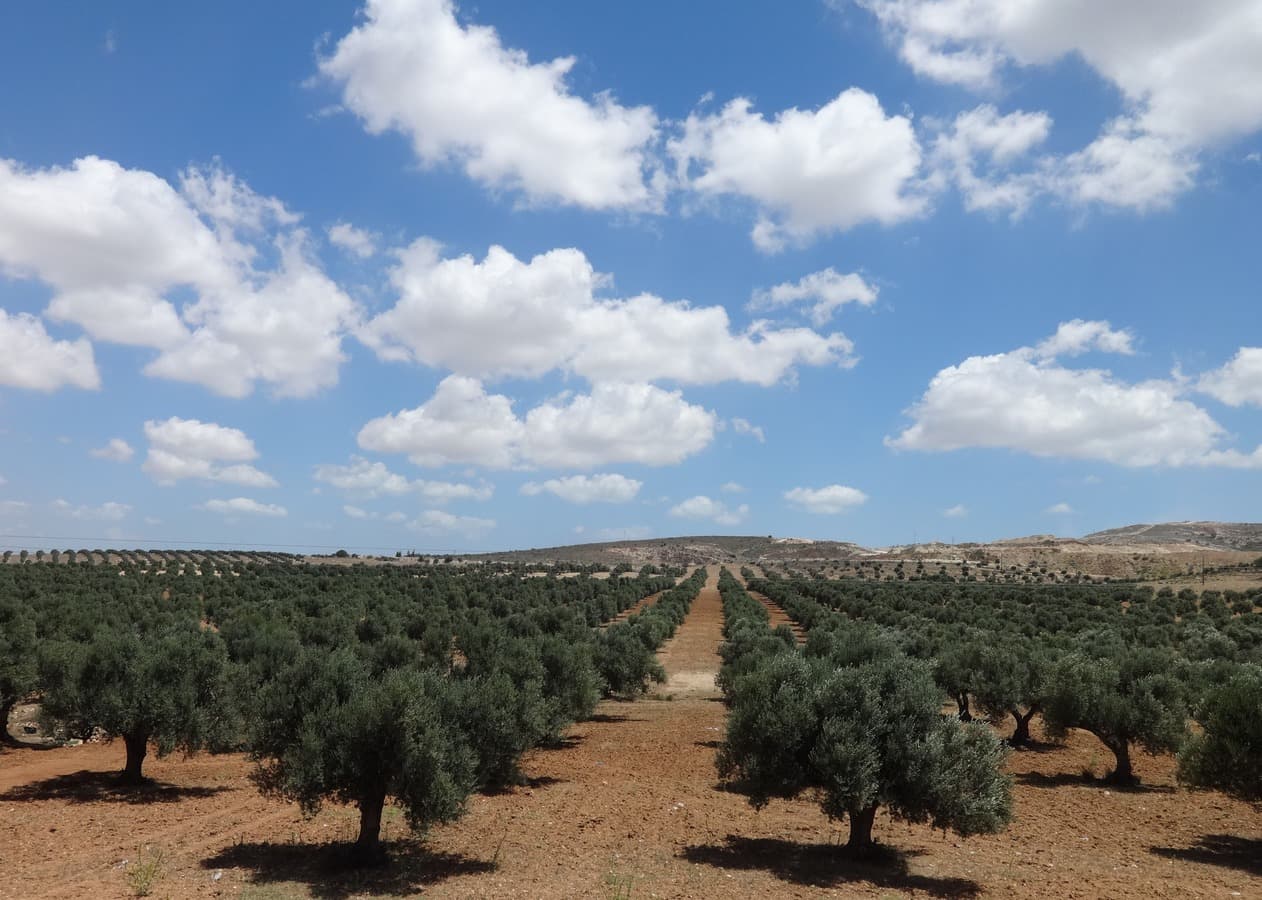
Tunisia's Liquid Gold: A 3,000‑Year Legacy
Nestled along the sun‑drenched Mediterranean coast, Tunisia has cultivated olive trees for over three millennia — a tradition passed down by Phoenicians, Carthaginians, Romans and Arabs, each leaving their mark on a culture deeply rooted in the olive branch[reference:0]. Today, with more than 100 million trees covering over 1.7 million hectares, Tunisia ranks among the world’s top olive oil producers. Yet its extraordinary extra virgin olive oil remains one of the Mediterranean’s best‑kept secrets[reference:1].
From the ancient groves of Sfax to the rolling hills of Zaghouan, Tunisian olive oil carries the heritage of Berber, Roman and Arab civilizations — and modern science is now confirming what these cultures have known for centuries: this liquid gold is a true superfood.
Why Tunisian EVOO Stands Above the Rest
Ideal Climate & Terroir
Tunisia’s long, hot summers, mild winters and mineral‑rich soils create perfect growing conditions for olive trees. This unique terroir produces olives with high polyphenol content, low acidity and a complex aromatic profile that rivals the finest oils from Spain, Italy and Greece[reference:2].
Indigenous Varieties
Tunisia is home to several native cultivars that give its oils a unique character:
- Chemlali — The most widely grown variety, yielding a fruity, slightly bitter oil with a golden colour and exceptional shelf life. Perfect for salads, grilled fish and couscous. This cultivar alone accounts for about 80% of national production[reference:3].
- Chetoui — A robust, peppery variety with very high polyphenol content, prized for its powerful antioxidant properties and intense flavour. Ideal for marinades and bold Mediterranean dishes[reference:4].
- Zalmati & Oueslati — Rarer cultivars that produce delicate, buttery oils, excellent for finishing dishes or dipping with artisan bread[reference:5].
Early Harvest, Cold Extraction
The finest Tunisian extra virgin olive oils are produced through early‑harvest cold pressing: olives are picked before full ripeness and pressed within hours at temperatures below 27°C. This process preserves maximum polyphenols, vitamins and volatile aromatic compounds, resulting in exceptional flavour and acidity levels often below 0.3%[reference:6].
Certified Organic
Tunisia is one of the largest producers of certified organic olive oil in the world. Vast traditional groves have never been exposed to synthetic pesticides or chemical fertilisers, making organic certification a natural achievement rather than a marketing exercise[reference:7].
The Extraordinary Health Benefits of Tunisian EVOO
1. Unmatched Antioxidant Power
A 2025 comparative study involving three commercial olive oils found that Tunisian extra virgin olive oil exhibited the best antioxidant activity, highest total antioxidant capacity and contained the maximum amount of phenolic compounds among all oils tested[reference:8]. Key polyphenols include:
- Oleocanthal — A natural anti‑inflammatory compound that mimics the action of ibuprofen, helping reduce chronic inflammation linked to arthritis, cardiovascular disease and neurodegenerative conditions[reference:9].
- Oleuropein — A powerful antioxidant that protects cells from oxidative damage, supports immune function and has demonstrated antimicrobial and antiviral properties[reference:10].
- Hydroxytyrosol — Recognised by the European Food Safety Authority (EFSA) as one of the most potent antioxidants found in any food, helping protect LDL cholesterol from oxidation and reduce the risk of heart disease[reference:11].
Moreover, a 2025 study highlighted that one specific Tunisian variety is particularly rich in vitamin E (tocopherol), with a content exceeding 700 mg/kg — three times higher than other Tunisian and international varieties, making it a remarkable natural antioxidant[reference:12].
2. Heart Health & Cardiovascular Function
Decades of scientific research, including the landmark PREDIMED study, have confirmed that regular consumption of extra virgin olive oil significantly reduces the risk of cardiovascular disease. The mechanisms are well‑established:
- Reduces LDL (“bad”) cholesterol while maintaining or increasing HDL (“good”) cholesterol[reference:13]
- Lowers blood pressure through anti‑inflammatory and vasodilatory effects
- Prevents arterial plaque formation by protecting LDL particles from oxidation[reference:14]
- Improves endothelial function — the health of the inner lining of blood vessels[reference:15]
Just two tablespoons of high‑quality extra virgin olive oil per day has been shown to produce measurable cardiovascular benefits[reference:16].
3. Brain Health & Cognitive Protection
Emerging research suggests that the polyphenols and healthy monounsaturated fats in extra virgin olive oil may help protect against cognitive decline and neurodegenerative diseases including Alzheimer’s and Parkinson’s. Studies have shown that oleocanthal can help clear amyloid plaques — the protein aggregates associated with Alzheimer’s disease — from brain tissue[reference:17].
A 2025 review further confirmed that the antioxidant, anti‑inflammatory and neuroprotective properties of EVOO contribute to improved health outcomes and longevity, supporting cognitive health and reducing the risk of chronic diseases[reference:18].
4. Digestive Health & Gut Microbiome
Olive oil has been used as a natural digestive aid in Mediterranean cultures for centuries. Modern science confirms that EVOO stimulates bile production, promotes a healthy gut microbiome composition, reduces intestinal inflammation and may protect against colorectal cancer. Recent research also shows that consuming extra virgin olive oil before meals can improve digestion, effectively acting as a prebiotic and helping nutrient absorption[reference:19][reference:20].
5. Anti‑Inflammatory & Longevity
Chronic inflammation is now recognised as a root cause of virtually every major chronic disease, from heart disease and type 2 diabetes to many cancers. The oleocanthal in extra virgin olive oil is a natural COX inhibitor — working through the same molecular pathway as non‑steroidal anti‑inflammatory drugs (NSAIDs) — making regular EVOO consumption one of the most effective dietary strategies for managing systemic inflammation[reference:21].
A 2026 study emphasised that the intake of extra virgin olive oil has many health aspects, including increased longevity and prevention of age‑associated diseases such as cardiovascular and neurodegenerative disorders. The study found that EVOO successfully reduces cellular destruction, chromosomal aberrations and pro‑inflammatory markers[reference:22].
Record Harvests and Global Acclaim
Tunisia’s olive oil industry is experiencing unprecedented growth. For the 2024‑2025 season, the country achieved a record production of 340,000 tonnes of olive oil, a 55% increase over the previous season[reference:23]. Of this, 60% came from irrigated trees and 40% from rain‑fed groves[reference:24]. Exports during the 2024 campaign reached approximately 195,000 tonnes, generating revenues estimated at over 5 billion dinars[reference:25]. Olive oil represents 50% of Tunisia’s agricultural exports and 5.5% of the country’s total exports, making it the fifth source of foreign currency[reference:26].
This exceptional quality has not gone unnoticed on the world stage:
- At the 2025 NYIOOC World Olive Oil Competition, Tunisian producers earned 12 awards from 18 entries despite challenging weather conditions, proving that the country is home to award‑winning quality[reference:27].
- At the 2026 Mario Solinas Quality Award (International Olive Council), Spain, Italy, Tunisia and China were the only countries of origin among the twenty winning extra virgin olive oils[reference:28].
- At the 2026 European International Olive Oil Competition (EIOOC) in Geneva, competing with 70 brands, Tunisia claimed 49 gold medals and 7 silver medals in the quality category, plus 12 awards in the “Healthy” category, further consolidating its position as a global leader in premium olive oil[reference:29].
How to Choose and Use Tunisian Extra Virgin Olive Oil
Selecting Quality
- Look for PGI or PDO certification (Tunisian government now issues these)
- Check the harvest date — ideally within 18 months, preferably the same year
- Ensure acidity is below 0.8% (extra virgin standard); premium oils often fall below 0.3%
- Choose a dark glass bottle, not plastic or clear glass
- Prefer indigenous Tunisian varieties — Chemlali (mild, fruity) or Chetoui (robust, peppery)
Daily Use Ideas
Morning ritual: Take one tablespoon on an empty stomach to jumpstart digestion (wait 20 minutes before eating). Add lemon juice to enhance detoxification and vitamin C absorption.
Throughout the day:
- Replace butter or margarine — use olive oil on bread
- Drizzle over cooked vegetables to add flavour and nutrition
- Use as a salad dressing base mixed with vinegar or lemon
- Finish soups and stews to preserve heat‑sensitive antioxidants
Quick recipe — Tunisian Grilled Salad (Selata Mishwiya): Combine olive oil, garlic, harissa, ras el hanout, ground chilli pepper, salt and pepper in a mortar; mash into a paste. Roast tomatoes, bell peppers and onions until charred, then peel and chop. Mix everything together and drizzle with more extra virgin olive oil[reference:30].
Conclusion
Adding high‑quality Tunisian extra virgin olive oil to your daily diet is one of the simplest, most effective health interventions you can make. It supports longevity, boosts vitality, reduces inflammation and enhances the flavour of almost any dish. With record harvests, global awards and cutting‑edge science all pointing in the same direction, there has never been a better time to discover the liquid gold of North Africa.
Start with just two tablespoons a day — one in the morning, one with lunch or dinner. Your future self will thank you.
Have you tried Tunisian olive oil? What is your favourite way to use it? Share in the comments below.
Tags