Tunisian Olive Oil: The Secret to Longevity and Vitality
Discover why Tunisian olive oil is called "liquid gold" and how incorporating it into your daily routine can boost longevity, energy, and overall well-being. Backed by science and centuries of tradition.
Super Admin
May 10, 2026·4 min read·505 views
The Mediterranean Secret
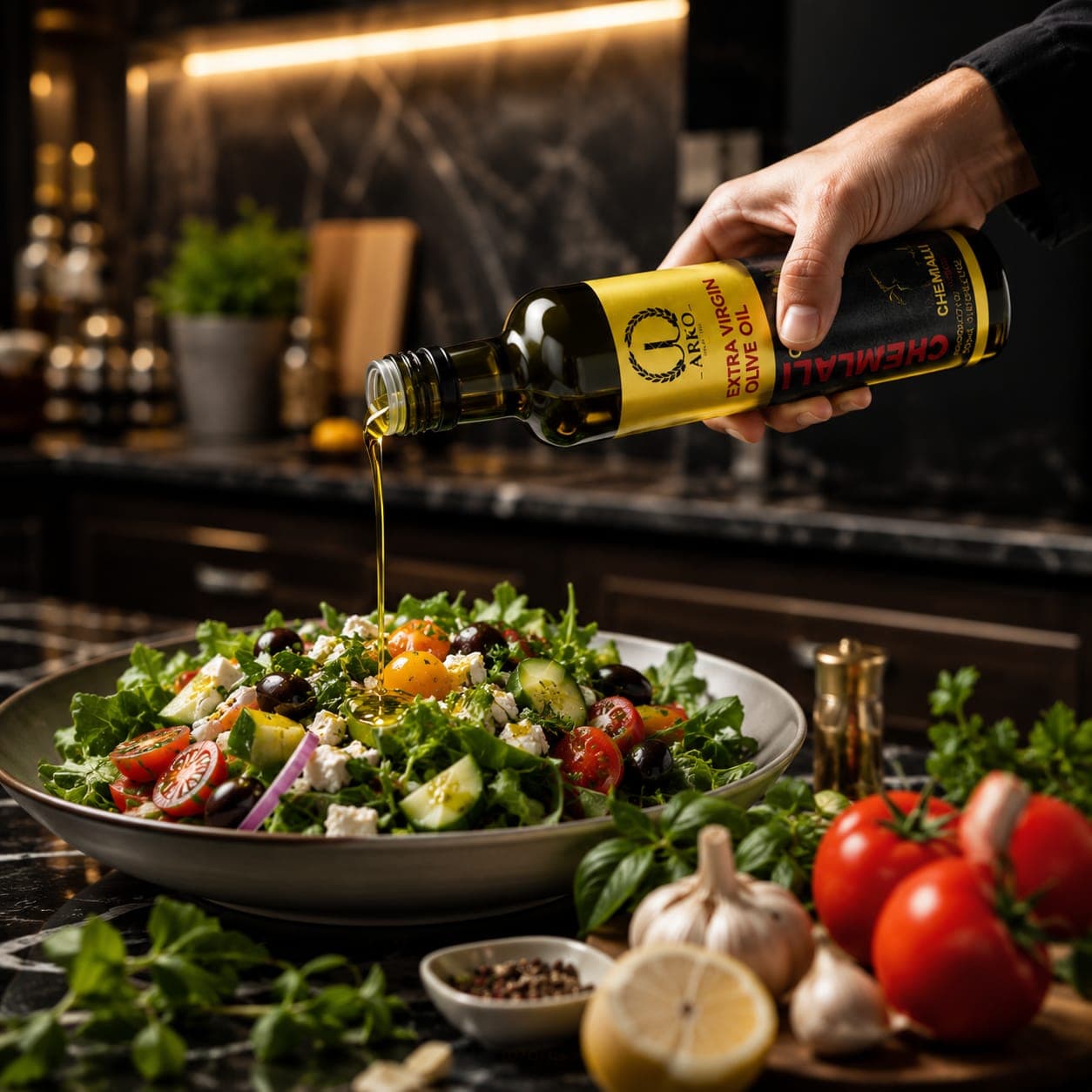
Tunisian extra virgin olive oil isn't just a kitchen staple – it's a cornerstone of the Mediterranean diet and a key reason why people in olive‑growing regions often live longer, healthier lives. Modern research continues to uncover new reasons to make this golden elixir a daily habit.
1. The Science of Longevity
The famous PREDIMED study (Primary Prevention of Cardiovascular Disease with a Mediterranean Diet) found that people who consumed at least four tablespoons of extra virgin olive oil daily had a 30% lower risk of cardiovascular death compared to those on a low‑fat diet.
Key longevity compounds:
- Oleuropein – activates autophagy (cellular cleaning)
- Hydroxytyrosol – protects mitochondria
- Oleocanthal – mimics ibuprofen without side effects
2. Vitality & Energy Boost
Unlike processed oils, extra virgin olive oil:
✅ Supports stable blood sugar – reduces energy crashes
✅ Enhances nutrient absorption – especially fat‑soluble vitamins A, D, E, K
✅ Reduces inflammation – chronic inflammation drains energy
✅ Improves mitochondrial function – cellular energy production
Many long‑term olive oil consumers report sustained energy throughout the day without the slump.
3. The Tunisian Advantage
Tunisia is the fourth largest producer of olive oil in the world, yet remains one of the most underrated. What makes Tunisian olive oil special?
- Indigenous varieties – Chetoui and Chemlali olives produce unique polyphenol profiles
- Traditional farming – many groves are organic by default (low pesticide use)
- Hot, dry climate – concentrates antioxidants and flavor
- Exceptional value – often 30‑50% cheaper than Italian or Spanish equivalents while matching or exceeding quality
Recent international competitions (New York International Olive Oil Competition, Berlin Global Olive Oil Awards) have awarded dozens of Tunisian producers gold medals.
4. How to Use Olive Oil for Maximum Health Benefits
Morning Ritual
- 1 tablespoon on an empty stomach – jumpstarts digestion (wait 20 minutes before eating)
- Add lemon juice – enhances detoxification and vitamin C absorption
Throughout the Day
- Replace butter or margarine – use olive oil on bread
- Drizzle over cooked vegetables – adds flavor and nutrition
- Use as salad dressing base – mix with vinegar or lemon
- Finish soups and stews – preserves heat‑sensitive antioxidants
Cooking Tips
- Low to medium heat only (extra virgin olive oilʼs smoke point is ~190‑210°C / 375‑410°F)
- Avoid deep frying – use regular olive oil or avocado oil for high heat
- Store in dark glass – light degrades polyphenols
5. Real‑World Longevity Hotspots
The world’s five Blue Zones (regions with highest centenarian concentration) all include olive oil as a daily staple. In Ikaria, Greece (a Blue Zone), residents consume 6+ tablespoons daily and have 50% lower rates of dementia.
Tunisian centenarians are also well documented – many attribute their health to daily consumption of local olive oil, fresh produce, and an active lifestyle.
6. Quick & Healthy Recipes
Breakfast: Olive Oil Coffee? (Not a joke)
Try blending 1 teaspoon of olive oil into your morning coffee – popular in biohacking circles for sustained energy and mental clarity.
Lunch: Tunisian Salad Dressing
- 3 tbsp extra virgin olive oil
- 1 tbsp fresh lemon juice
- 1 small garlic clove, crushed
- Salt, pepper, and dried oregano Shake well – keeps for a week.
Dinner: Roasted Vegetables
Toss chopped zucchini, bell peppers, and eggplant with 2 tbsp olive oil, salt, and thyme. Roast at 200°C (400°F) for 20 minutes. Add fresh parsley before serving.
7. Choosing the Right Bottle
Look for these markers of quality:
- PGI or PDO certification (Tunisian government now issues these)
- Harvest date – within 18 months, preferably the same year
- Acidity – under 0.8% (extra virgin standard), premium oils often under 0.3%
- Dark glass bottle – not plastic or clear glass
- Indigenous Tunisian varieties – Chemlali (mild, fruity) or Chetoui (robust, peppery)
Conclusion
Adding high‑quality Tunisian extra virgin olive oil to your daily diet is one of the simplest, most cost‑effective health interventions you can make. It supports longevity, boosts vitality, reduces inflammation, and enhances the flavor of almost any dish.
Start with just two tablespoons a day – one in the morning, one with lunch or dinner. Your future self will thank you.
Have you tried Tunisian olive oil? What’s your favorite way to use it? Share in the comments!